
 |
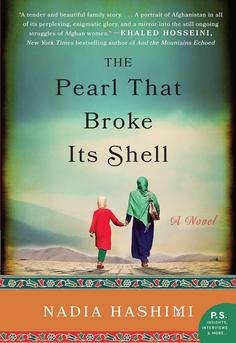
The Pearl That Broke Its Shell |
|
by Nadia Hashimi
|
|
Book Review |

|
|
(by Linda)
|
|
This is a beautiful cultural read about two Afghanistan women-Shekiba and Rahima-one the great-great-grandmother and a source of inspiration for the other. The story sheds light on the sad reality that not much has changed in the intervening years; corrupt systems and social expectations remain oppressive for women. Both women in this book engage in the ancient custom of bacha posh, disguising a girl as a boy so a family without sons can function. The concept is intriguing and unsettling-its irony casts a surreal shadow over the present-day storyline, too.
Dressed as a boy, a girl can move freely, attend school, and earn respect; once the disguise ends, those freedoms vanish. It defies logic, but the tension it creates makes for a compelling, thought-provoking read. Recommended for readers of international and historical fiction who appreciate resilient heroines and rich cultural detail. |
Book Summary |
|
Afghan-American Nadia Hashimi's literary debut is a searing tale of powerlessness, fate, and the fight to control one's own future.
In Kabul, 2007, with a drug-addicted father and no brothers, Rahima and her sisters can only sporadically attend school and can rarely leave the house. Their hope lies in the ancient custom of bacha posh, which allows young Rahima to live as a boy until she is of marriageable age. As a "son," she can attend school, go to the market, and chaperone her older sisters. A century earlier, her great-great-grandmother, Shekiba-left orphaned by an epidemic-survives and reshapes her life in the same way. The Pearl That Broke Its Shell interweaves the tales of these two women separated by a century but bound by similar destinies, asking what happens when the privileges of disguise end-and whether courage can alter a prescribed fate. |
Discussion Questions |
|
1. Rahima says that Khala Shaima's stories about Bibi Shekiba transformed her. Beyond dressing as males, in what other ways do Rahima and Shekiba transform themselves?
2. Men mock Khala Shaima for her crooked spine, yet her nieces and sister do not pity her. Does her disability ever work to her advantage? 3. Rahima loves the freedom of bacha posh-work, soccer, school. What are the risks and costs for her and for her family? 4. "It is up to you to find a way to make things easier for yourself," Shekiba's aunt tells her. How do the women in this novel create agency within restrictive systems? 5. Rahima says of Parwin, "In some ways, I think she was the bravest of all." Do you agree? Why? 6. Shekiba envies the women of the harem: "At least they belonged to someone." Are the king's concubines better or worse off than women outside the palace? 7. The word naseeb (destiny) recurs throughout the novel. When do Shekiba and Rahima accept their fate, and when do they resist it? 8. How do Shekiba's and Rahima's relationships with their husbands' other wives help or harm them? Could you adapt to that kind of marriage? 9. Bibi Gulalai reveals her own abusive mother-in-law. Does this change your view of her? What fuels the cruelty of older women like her and Bobo Shahgul? 10. How do Rahima's years as bacha posh ultimately help her escape Abdul Khaliq? 11. Do you believe Rahima's and Shekiba's stories end happily? What might their futures look like after the final pages? |
Book Club Talking Points |
|
Themes to spark conversation include the ethics of disguise for survival, how tradition can both protect and endanger, the meaning of destiny versus choice, and the parallel pressures faced by women across generations. Readers who enjoy culturally rich fiction and resilient heroines will find plenty to discuss.
|

 |
Explore 4+ years of curated picks that actually spark a conversation.
|
More Must-Read Books |
 Daughters of the Sun and Moon By Lisa See
Beloved New York Times bestselling author Lisa See draws on the vibrancy and turmoil of post-Civil War Los Angeles to tell the story of three Chinese women who managed to survive and, eventually, thrive, despite all odds. ...More
|
 The Book Witch By Meg Shaffer She can hop into any novel, she just can't stay there. Come along with the book witch in this magical and inspiring love letter to reading from the USA Today bestselling author of The Wishing Game ... More
|
 Keeper of Lost Children By Sadeqa Johnson
In this new novel from the New York Times bestselling author of The House of Eve, one American woman's vision in post WWII Germany will tie together three people in an unexpected way....More
|
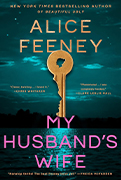 My Husband's Wife By Alice Feeney The New York Times bestselling Queen of Twists is back with a psychological masterpiece that will leave you questioning everything you know about love, identity, and revenge. By the author of His & Hers, now a #1 Netflix show!... More
|
You May Also Like: |


|
Visit Our Blog |
 |
Most Antipipated Books of 2026 ..... Our Favorites.
|
|
|
| |
 |
 |


