|
The Lies They Told |
by Ellen Marie Wiseman |
 |
Discussion Questions |
Book Club Questions By Princeton Book Review
These The Lies They Told book club questions explore Lena's difficult choices, family and belonging, the American Dream, and the disturbing real history behind the novel. Use these discussion questions to talk about the characters, moral choices, and historical events that make Ellen Marie Wiseman's story so thought-provoking.
+ Spoiler & Content WarningsSpoiler Alert: The discussion questions below contain spoilers and are intended for readers who have finished the boo. If you haven't finished the book yet, we recommend coming back after you've turned the final page.Content Warning: The Lies They Told includes difficult subject matter involving eugenics, forced sterilization, institutional abuse, family separation, child removal, discrimination against immigrants and people with disabilities, displacement from family land, and death. Some scenes involving the treatment of vulnerable women and families may be especially upsetting.Before reading this novel, what did you know about the American eugenics movement? What surprised or disturbed you most about what you learned? Lena's mother and brother were turned away and deported after being judged "burdens to society," while Lena and her baby were allowed to stay. What does it reveal about how immigrants were evaluated at the time, and who got to decide a person's worth? Lena arrived hoping to start a new life with her family, but found herself alone in a foreign country. How did the loss of her mother and brother affect her choices, fears, and strength in the story? Lena came to America hopeful for opportunities and a welcoming relative. How did her experience match the "American Dream" she envisioned? Are there similarities between the struggles of immigrants in the 1920s and 30s and those today? At the Virginia State Colony, Lena was labeled, controlled, and stripped of basic choices. What moments affected you most? How did she manage to hold onto her identity and hope? Silas sponsored Lena's mother and her brother, but instead he got Lena, a young mother with a baby. Do you think he treated Lena fairly given what he'd been promised? What obligations, if any, do you think Silas had to Lena and her baby? Did your view of Silas change as the story progressed? Were there moments when you sympathized with him-and others when you were angry with him? Lena was a stranger, but over time she formed a strong bond with his children. What connected them? How did these relationships change Lena's feelings about home and family after she was separated from her own mother and brother? When families were forced from the land they had lived on for generations to create Shenandoah National Park, did you understand the government's justification? Did the promise of public benefit justify what happened to individual families? What pressures do you think led to Silas's tragic death-his loss of land, purpose, or ability to protect his family? How does his story show the human cost of these policies beyond what is recorded? Lena had many reasons to flee, yet she stayed. What do you think kept her there: love for the children, lack of options, fear of authorities, or hope for improvement? Would you have run away in her place? Motherhood is central to Lena's story, while authorities repeatedly try to decide who is "fit" to have and raise children. How does the novel connect motherhood with power, freedom, and control? Which moment in Lena's story made you the angriest, saddest, or most shocked-and why? How did you feel when the children were taken, and why do you think the state viewed them as something to control rather than protect? Not everyone who participated in these systems saw themselves as cruel. How did the novel portray the difference between following the rules, looking the other way, and actively resisting injustice? What did you make of the irony that Lena fled Germany seeking freedom, only to encounter eugenic ideas and forced sterilization in America? Did this change the way you viewed her story? What do you think the title The Lies They Told means? Who was telling the lies, who was expected to believe them, and which "lies" had the greatest consequences for Lena and the other families? |
+ The Lies They Told Read-Alikes
If The Lies They Told opened your eyes to a hidden chapter of American history, these novels will too. Each follows women who stand up to prejudice, injustice, and the powerful institutions that tried to control their lives.
Based on disturbing real events, this powerful novel explores reproductive injustice, medical ethics, and the devastating consequences when authorities decide what is best for women.
Set in 1940s North Carolina, it delves into the American Plan, highlighting the state's control over women's bodies and sexuality.
Like Everhart's novel, this story shines a light on overlooked history while following a resilient woman facing prejudice, discrimination, and restrictive social expectations.
Book Club Talking Points |


|
Planning your next meeting?
Here are more Women's Fiction reads we loved:
Here are more Women's Fiction reads we loved:
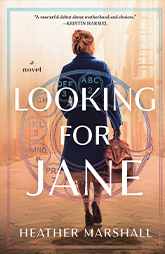
A moving story about unlikely friendships and finding belonging in a harsh and divided post-Civil War world.

An emotional story of love and ambition ... a woman reaching for the stars while navigating relationships.
 |
Explore 4+ years of curated picks that actually spark a conversation.
|
More Must-Read Books |
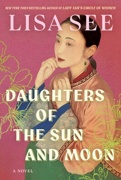 Daughters of the Sun and Moon By Lisa See
Beloved New York Times bestselling author Lisa See draws on the vibrancy and turmoil of post-Civil War Los Angeles to tell the story of three Chinese women who managed to survive and, eventually, thrive, despite all odds. ...More
|
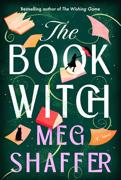 The Book Witch By Meg Shaffer She can hop into any novel, she just can't stay there. Come along with the book witch in this magical and inspiring love letter to reading from the USA Today bestselling author of The Wishing Game ... More
|
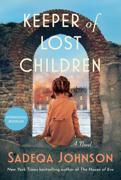 Keeper of Lost Children By Sadeqa Johnson
In this new novel from the New York Times bestselling author of The House of Eve, one American woman's vision in post WWII Germany will tie together three people in an unexpected way....More
|
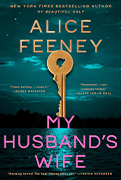 My Husband's Wife By Alice Feeney The New York Times bestselling Queen of Twists is back with a psychological masterpiece that will leave you questioning everything you know about love, identity, and revenge. By the author of His & Hers, now a #1 Netflix show!... More
|
You May Also Like: |


|
Visit Our Blog |
 |
Most Antipipated Books of 2026 ..... Our Favorites.
|
|
|