
 |
The Calamity Club |
by Kathern Stockett |
 |
Discussion Questions |
Need a quick refresher before your meeting? Read
The Calamity Club Book Summary
| 1. Do the women of the club have a higher moral ground than the respectable men? Can sisterhood be genuine when it's based on need? 2. When does Birdie's wish to be "good" conflict with her need to help Meg and herself? Does she align her morals with her actions at the club, or must she sacrifice her reputation for justice? 3. What's the difference between Legal Justice and Moral Justice in the book? Do the women change the system, or do they learn to cope with it? 4. How does the Eugenics Board affect your view of "the law" in 1933 Mississippi, especially since the state can legally sterilize women based on what others say? Is there any chance for "legal justice," and how does this situation support the "Calamity Club's" decision to operate outside societal rules? 5. Given her" childhood at the asylum, do you think Meg can ever truly transition into a "normal" life, or will she always be a "Calamity" at heart? 6. Why do they call themselves the Calamity Club? Are they victims of the Great Depression or a defiant force against the town's corrupt power? At what point in the novel do these women shift from enduring trouble to causing it? 7. Stockett described the book as "hopefully funny. Do you find the humor Stockett was hoping for, or did the seriousness of the women's situations overshadow the humor? 8. Is Frances, Birdie's sister, a villain or just a different kind of "survivalist"? How does her survival-focused respectability compare to the survival of the Calamity Club women? 9. What does the couple who adopted Meg reveal about their motives? Was their interest in Meg based on genuine compassion, or was it about money? 10. How does knowing that Meg's mother was physically stripped of her future (via sterilization) change the moral weight of the actions against the Garretts? 11. Does Meg's mother's absence make her a "tragic" character or a "heroic" one for surviving a system meant to erase her? 12. Do the men in the book understand the struggles the women face, or are they all part of the oppressive system? Can someone like Birdie have an equal relationship in this environment? 13. Stockett often explores how true evil resembles a man in a suit making "logical" state decisions. Who is the real "villain" of the story: a specific person or the bureaucracy itself 14. After the events of the book, do you think the social hierarchy of the town actually shifts, or will the "respectable" characters find a way to bury the truth and move on? 15. How did this compare to Stockett's first novel? |
Book Club Talking Points: |


|
Planning your next meeting?
Here are more Historical Fiction we loved:
Here are more Historical Fiction we loved:

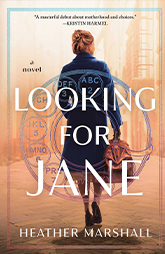
Emotional, thought-provoking story of motherhood, sacrifice, secrets, and choices that shape women's lives forever.
 |
Explore 4+ years of curated picks that actually spark a conversation.
|
More Must-Read Books |
 Daughters of the Sun and Moon By Lisa See
Beloved New York Times bestselling author Lisa See draws on the vibrancy and turmoil of post-Civil War Los Angeles to tell the story of three Chinese women who managed to survive and, eventually, thrive, despite all odds. ...More
|
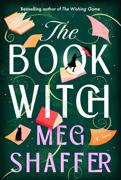 The Book Witch By Meg Shaffer She can hop into any novel, she just can't stay there. Come along with the book witch in this magical and inspiring love letter to reading from the USA Today bestselling author of The Wishing Game ... More
|
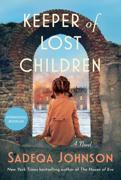 Keeper of Lost Children By Sadeqa Johnson
In this new novel from the New York Times bestselling author of The House of Eve, one American woman's vision in post WWII Germany will tie together three people in an unexpected way....More
|
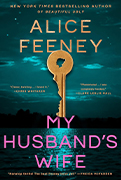 My Husband's Wife By Alice Feeney The New York Times bestselling Queen of Twists is back with a psychological masterpiece that will leave you questioning everything you know about love, identity, and revenge. By the author of His & Hers, now a #1 Netflix show!... More
|
You May Also Like: |


|
Visit Our Blog |
 |
Most Antipipated Books of 2026 ..... Our Favorites.
|
|
|